
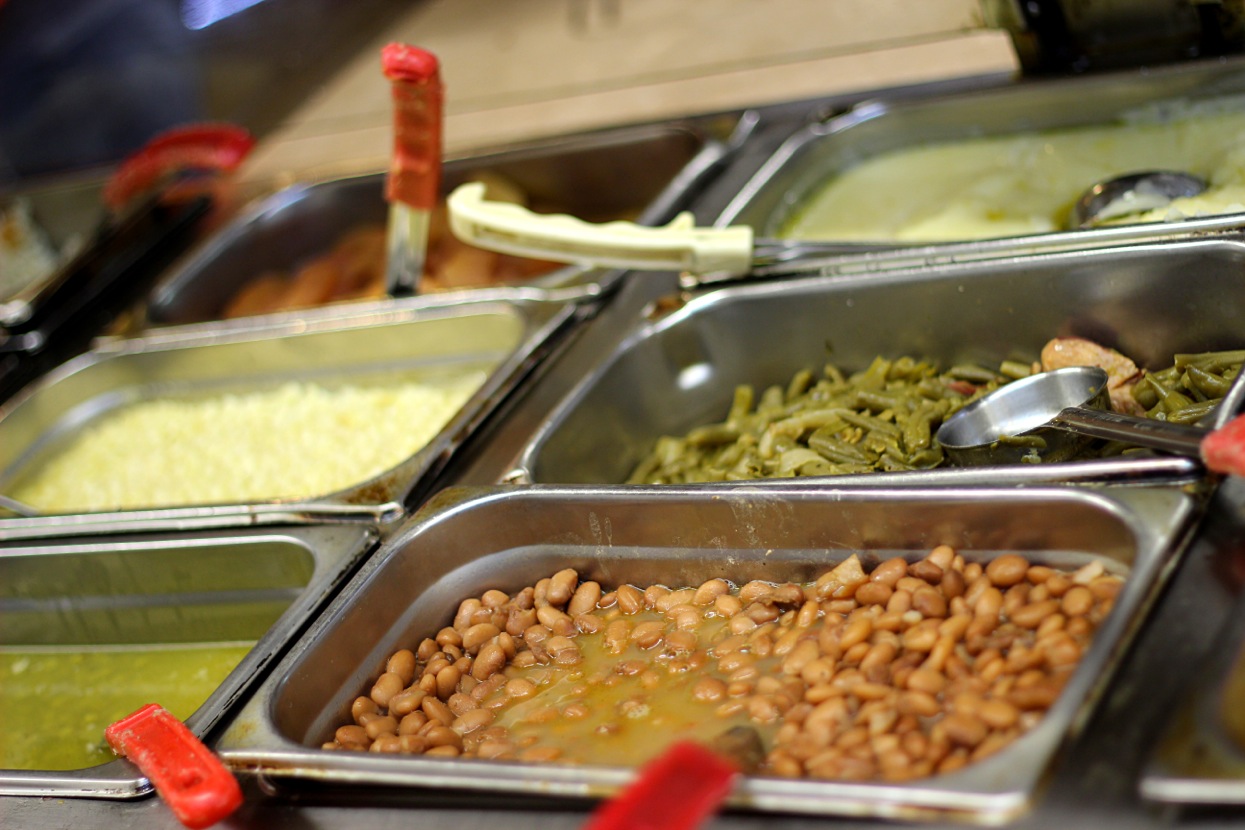
Pot liquor is not a well-known term outside the South, and even inside it, it does not get much respect it deserves. It is the seasoned liquid left in the pot after a batch of greens has simmered for hours — and in a lot of Southern kitchens, it is treated as more valuable than the greens themselves.
What it actually is
When we cook turnip or collard greens, they go into a pot with smoked meat, water, and seasoning, and simmer for a long time — long enough for the greens to soften completely and for everything in the pot to trade flavour back and forth. What is left in the bottom, after the greens are pulled out to serve, is pot liquor: dark, intensely savoury, full of everything the greens gave up while they cooked.
Historically, in kitchens where nothing was wasted, that liquid was not poured out. It was used to season the greens further on the plate, sopped up with bread, or saved to start the next pot. There is also a long-standing belief, going back generations, that it carries real nutritional value — the vitamins and minerals that leach out of the greens during cooking, concentrated into the broth.
Why the bread matters
This is where our two cornbreads earn their place on the menu. Hot water cornbread, fried crisp, is built for eating on its own. But “flat” buttermilk cornbread, baked in a pan and denser, is the better tool for pot liquor specifically — it holds together while soaking up liquid instead of falling apart the way a lighter bread would.
If you order greens here, you do not have to ask for pot liquor — it is already worked into how the dish is served. But if you want a little extra spooned over the top, say so at the counter. It is a normal request, not an odd one, and it is the difference between eating greens and actually understanding why people who grew up on them talk about them the way they do.
Ask for it. Order greens with a side of “flat” cornbread and ask for a little extra liquid on the plate. Nobody at the counter will think it is an odd request.